


How heavy should the punching bag be?

How heavy should the punching bag be?
Choosing a punching bag is not just about weight – it’s also about length and what type of training you’ll be doing. A bag that’s too light will swing too much, while a bag that’s too heavy can be difficult to work with. The perfect balance depends on your weight, experience and what martial art you’re training .
Rule of thumb: Half your body weight
A classic rule is that the punching bag should weigh around half of your body weight .
-
If you weigh 70 kg → approximately 35 kg bag.
-
If you weigh 90 kg → approx. 45 kg bag.
This provides enough resistance so that the bag doesn't swing too much, while still giving you realistic response to your strokes.
Heavier bags provide more stability
-
Lighter bags (25–35 kg): Suitable for beginners and technique training. But keep in mind that they swing a lot, which can be annoying if you want to train strength.
-
Medium-heavy bags (40–50 kg): Perfect all-round bags for both punching and kicking. Provides a good balance between movement and stability.
-
Heavy bags (60kg+): Ideal for experienced athletes and those looking to build strength and endurance. The heavier the bag, the less it oscillates – providing more realistic resistance.
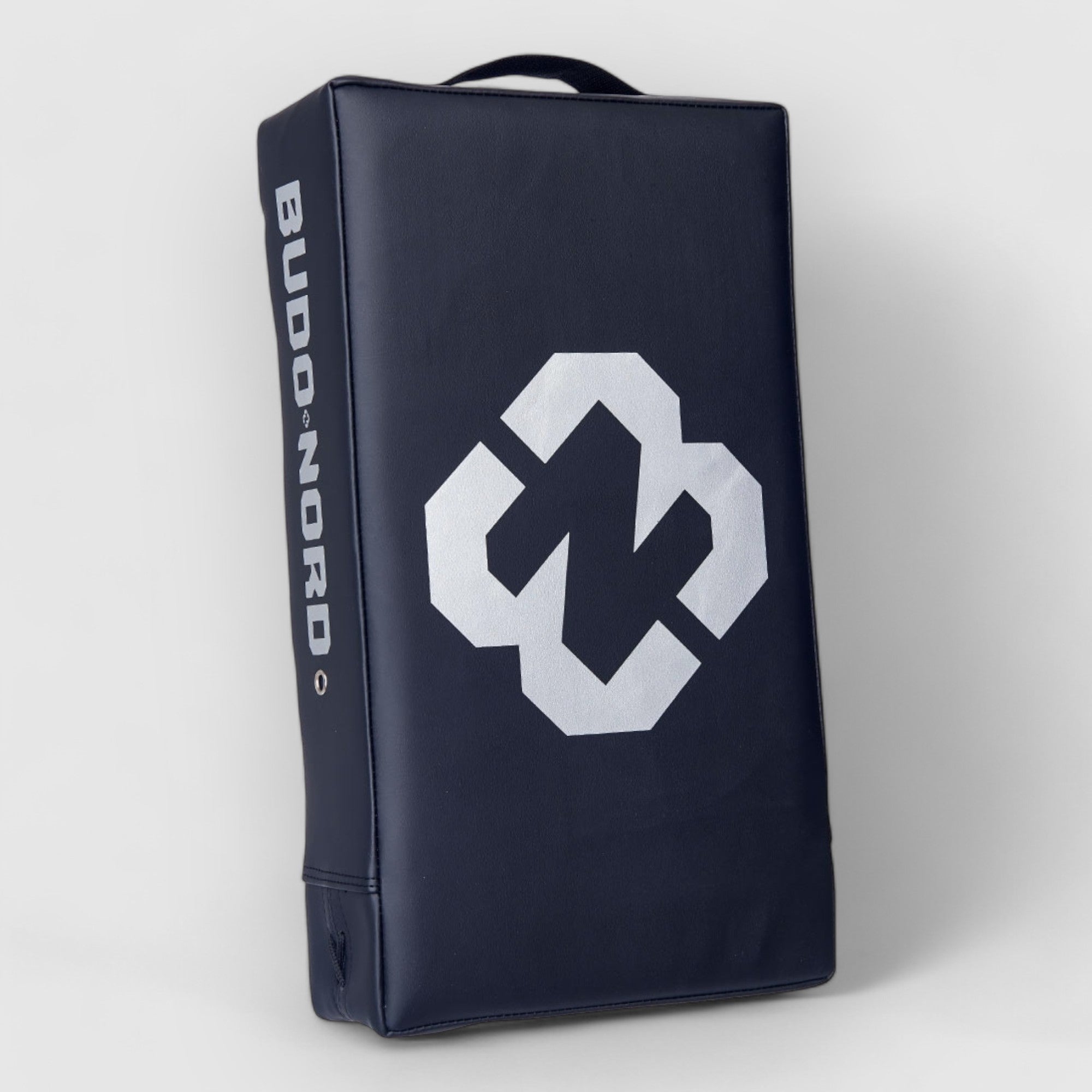
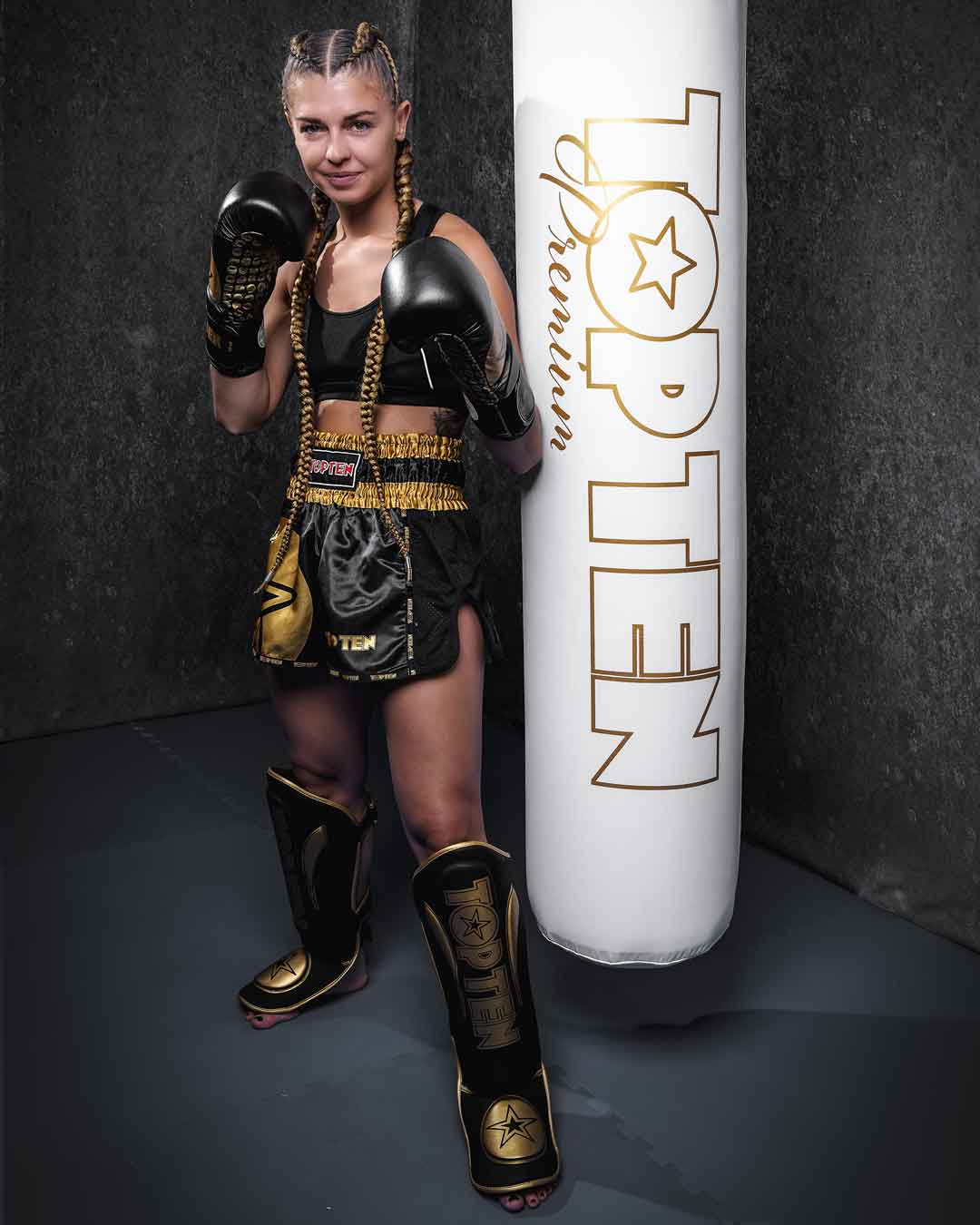
👉 Our 180 cm long 60 kg punching bag is a good example: it offers minimal movement and is perfect for combinations of punches and kicks.
Punching bag length – important for kicks

For boxing, a shorter bag (100–120 cm) is often sufficient. However, if you train kickboxing, Muay Thai or taekwondo , you should choose a long bag (150–180 cm) .
-
Long bags allow you to practice both high and low kicks.
-
You can combine kicks and punches without having to adjust the height.
-
The heavy, long bags (often 50–60 kg) provide more stability even when you deliver hard kicks.