


What exactly is compression clothing?

More and more people are exercising in compression clothing. What is it exactly? Get a little introduction to compression in this guide.
Why are more and more people replacing their regular training tights with compression tights? And many who have never trained in tight clothes at all, who wear compression under their loose clothes? Probably because they have grown to like the feeling the clothes give, while the garments have technical qualities that can give a little boost.

First – a little explanation:
What is compression clothing?
In short, compression garments are extra-tight garments that are not only tight but also have mobility and breathability, making them suitable for use during exercise. They compress the area they are worn on – hence the name.
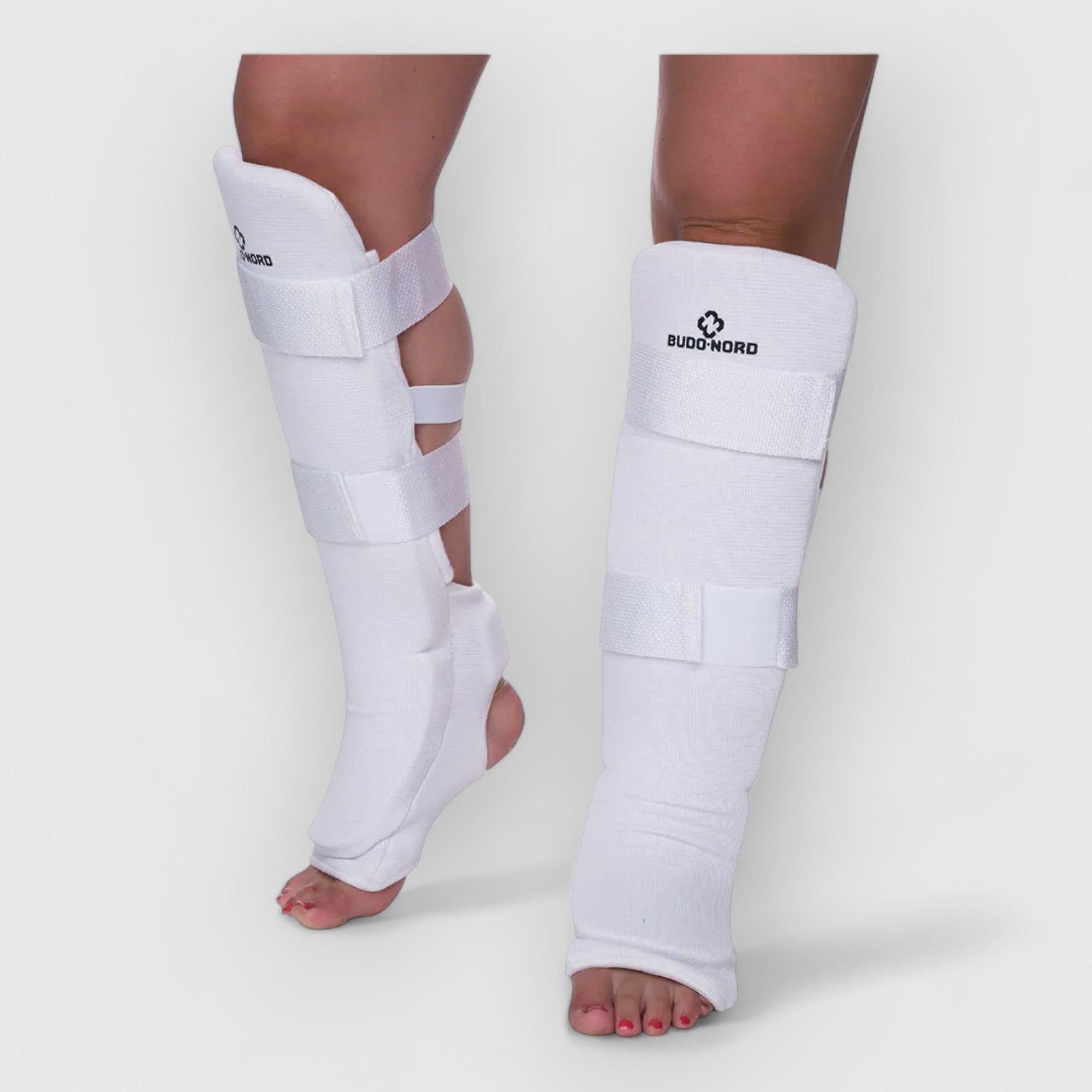
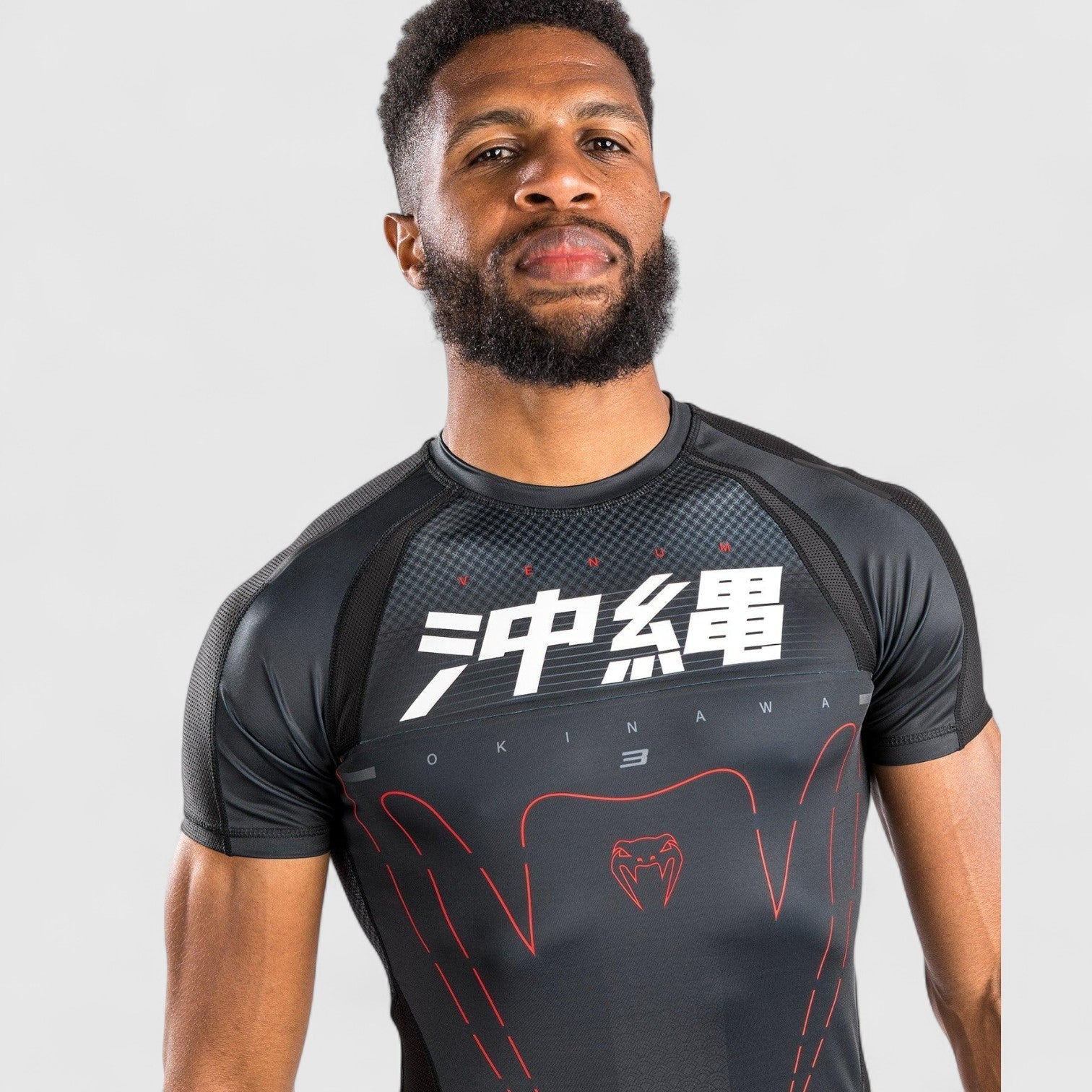
The most popular garments are undoubtedly compression tights that compress the entire leg. However, garments that provide compression to the calves (calf guards or compression socks), just the buttocks/thighs (compression shorts) and various tops are also common. They are often collectively referred to as compression shirts.
How does compression clothing work?
The special fabrics in the garments compress the muscles, providing better support and blood flow. The garments prevent the muscles from getting a lot of impact and friction by keeping them in place, and blood flow is increased under the garments. This inhibits the build-up of lactic acid and muscle soreness, and provides faster recovery after training.
Different levels of compression
Compression can mean several things based on different manufacturers' definitions:
Light compression
Most brands that make workout clothes (for example Nike, Adidas or Fighter) have clothes that they call compression, compression or similar. These are mostly good and comfortable workout clothes with a tight fit, but not really compression. They sit close to the body, but do not compress the muscles and provide any special effect.
Many people like this form of compression because it is not tight, but they still want to wear completely tight-fitting clothes.
Normal compression
Some manufacturers focus on clothing that has technical qualities in addition to being tight, and these are the ones that are genuine compression clothing. Examples of manufacturers that make good compression garments are Venum, 2XU and Sub Sports. You will immediately feel when you put on a real compression tight that it tightens in a completely different way than a standard training tight.
Powerful compression
Some garments are made with extra-strong compression, and have such tight and thick fabrics that they are not really suitable for regular exercise. These are often called "recovery", "restitution" or similar, and are intended for use after exercise to give the muscles optimal recovery. For example, players in several major football clubs use recovery tights after exercise on the recommendation of their physiotherapist.
For training and recovery
Just like some supplements, compression garments are also best worn both during and after exercise. Muscles benefit from increased blood flow both during activity and when recovering from a session. Therefore, it is best not to change immediately, but to keep the compression garments on for 30-60 minutes after your workout is over.
Injury prevention
By keeping the muscles in place and avoiding too much movement in the muscles, you can better keep injuries at bay and prevent some strain injuries.
For example, you see a lot of runners and martial artists wearing compression socks or calf guards. This is because these garments are good for the calf muscles and can help with periosteal inflammation.
What kind of training is compression clothing suitable for?
It is mostly your personal preferences that determine what suits you. But in team sports such as handball, soccer, ice hockey, rugby, basketball and American football, compression is widely used. Also for runners, triathletes and other endurance athletes, compression clothing is more the rule than the exception. In martial arts such as boxing, kickboxing, MMA and wrestling, crossfit, dance and other training that puts stress on the body, compression is popular. Also in strength training, bodyweight training, parkour and the like, you will find many who swear by compression.

Controversies surrounding compression clothing
There is some controversy surrounding compression clothing, and some statements that compression clothing has no effect. It is important to take all marketing with a healthy dose of skepticism, and this of course also applies to statements from clothing manufacturers.
Even more important is to try it yourself and see what experiences you have.
As we have discussed, there is a big difference between compression garments in terms of degree of compression and other technical details, so a completely general assessment of all compression garments would not be fair.
There is no doubt that compression tights, jerseys and other compression garments from a quality supplier provide a completely different experience on the body than regular, tight training clothes. For many, there is a before-and-after phase from actually trying to train with compression – you quickly get used to the feeling they give during training.